to top
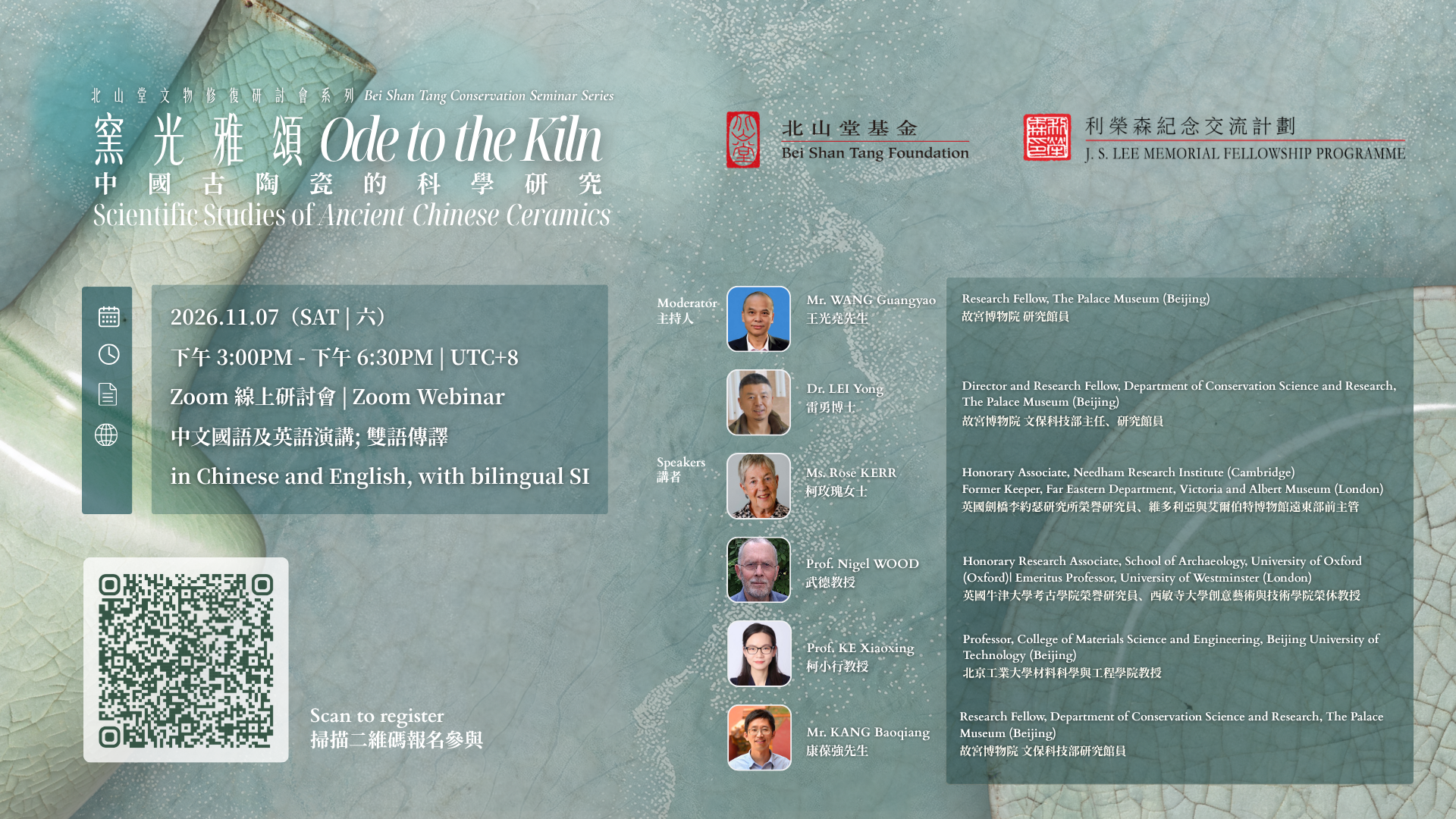
7 November 2026 (Saturday)
Hong Kong / Beijing Time: 3 pm – 6:30 pm | London Time: 7am – 10:30am
Online via Zoom Webinar | Presentations in Chinese and English with bilingual simultaneous interpretation
The Bei Shan Tang Conservation Seminar Series (the “Seminar”) invites conservation experts and scholars from around the world to share the latest theories, research, and trends in conservation, promoting the understanding of culture, ethics, and values behind the conservation of Chinese art and artefacts.
Join us for this year’s Seminar, Ode to the Kiln: Scientific Studies of Ancient Chinese Ceramics, which focuses on the history of ceramic technology, scientific analysis, and cultural heritage research relating to ancient Chinese ceramics. It also reflects on the significant scholarly contribution of Joseph Needham’s volume Science and Civilisation in China: Ceramic Technology and examines the development and evolution of research methodologies in this field since the publication of this landmark work.
Scholars and experts from China and the United Kingdom will present recent advances in the study of ancient Chinese ceramics, materials characterization and analysis, and the scientific conservation of cultural heritage. Together, they will explore how scientific research can deepen our understanding of Chinese ceramic technology and culture, while fostering dialogue and collaboration among conservators, museum professionals, scientists, and art historians.
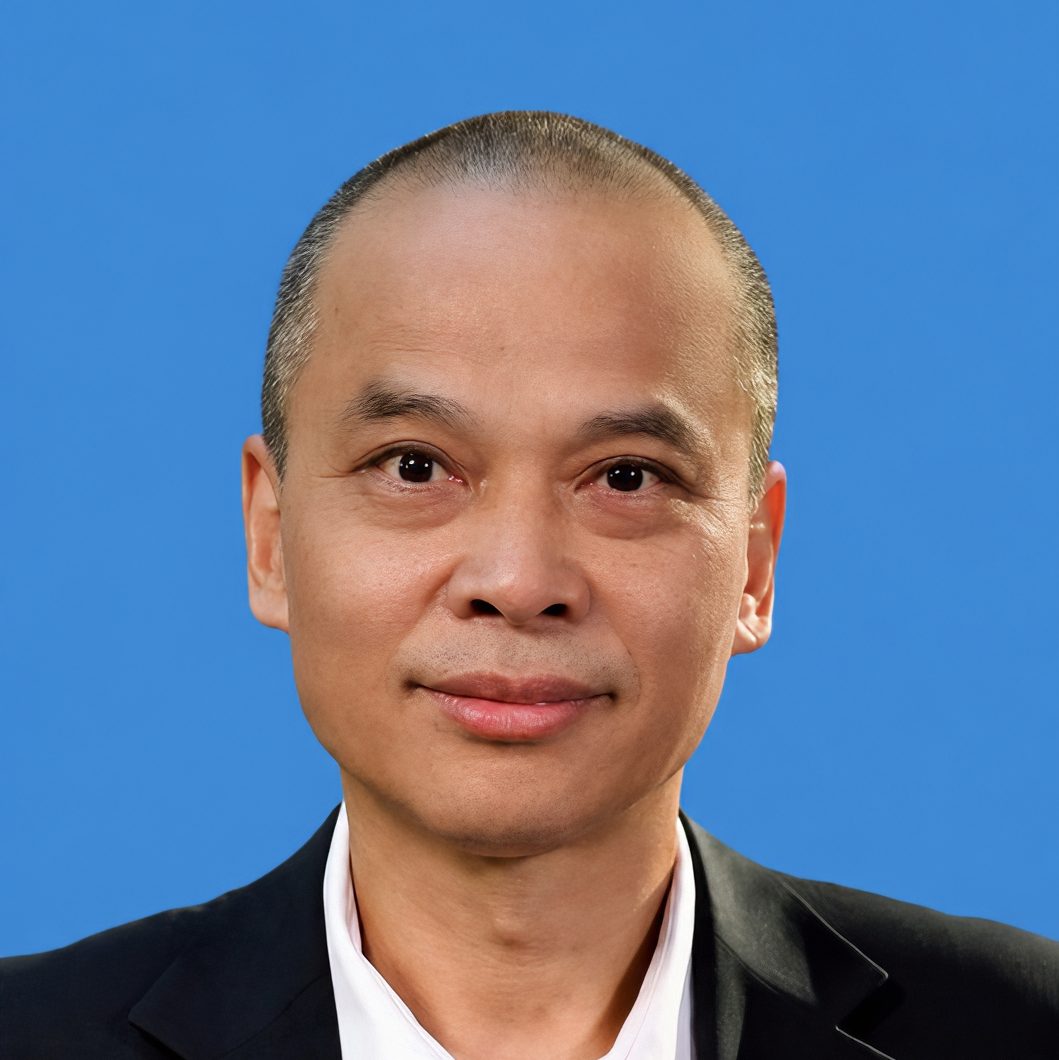
Mr. WANG Guangyao (Moderator)
Research Fellow, The Palace Museum (Beijing)
Mr. WANG Guangyao graduated from the Department of Archaeology at Peking University in 1989 and joined the Palace Museum in the same year, where he studied under the renowned ceramic scholar Geng Baochang. He is currently Director of the Institute of Ancient Ceramics at the Palace Museum, Research Fellow (Second Grade, Senior Professional Rank), Doctoral Supervisor, and Executive Standing Committee Member of the Archaeological Society of China.
Mr. Wang principal research interests include the official kiln system of ancient China and the history of imperial ceramics. His work also extends to the study of cross-cultural material exchanges between China and other regions in antiquity, particularly export ceramics and the Maritime Silk Road.
Mr. Wang has directed or participated in archaeological excavations at numerous kiln sites across China, including the Ming and Qing Imperial Kiln Site in Jingdezhen, the Longquan kiln complex, and the proto-celadon kiln sites in Deqing. He has also led multiple international collaborative archaeological projects and is a key scholar in the Palace Museum’s global archaeology initiative.
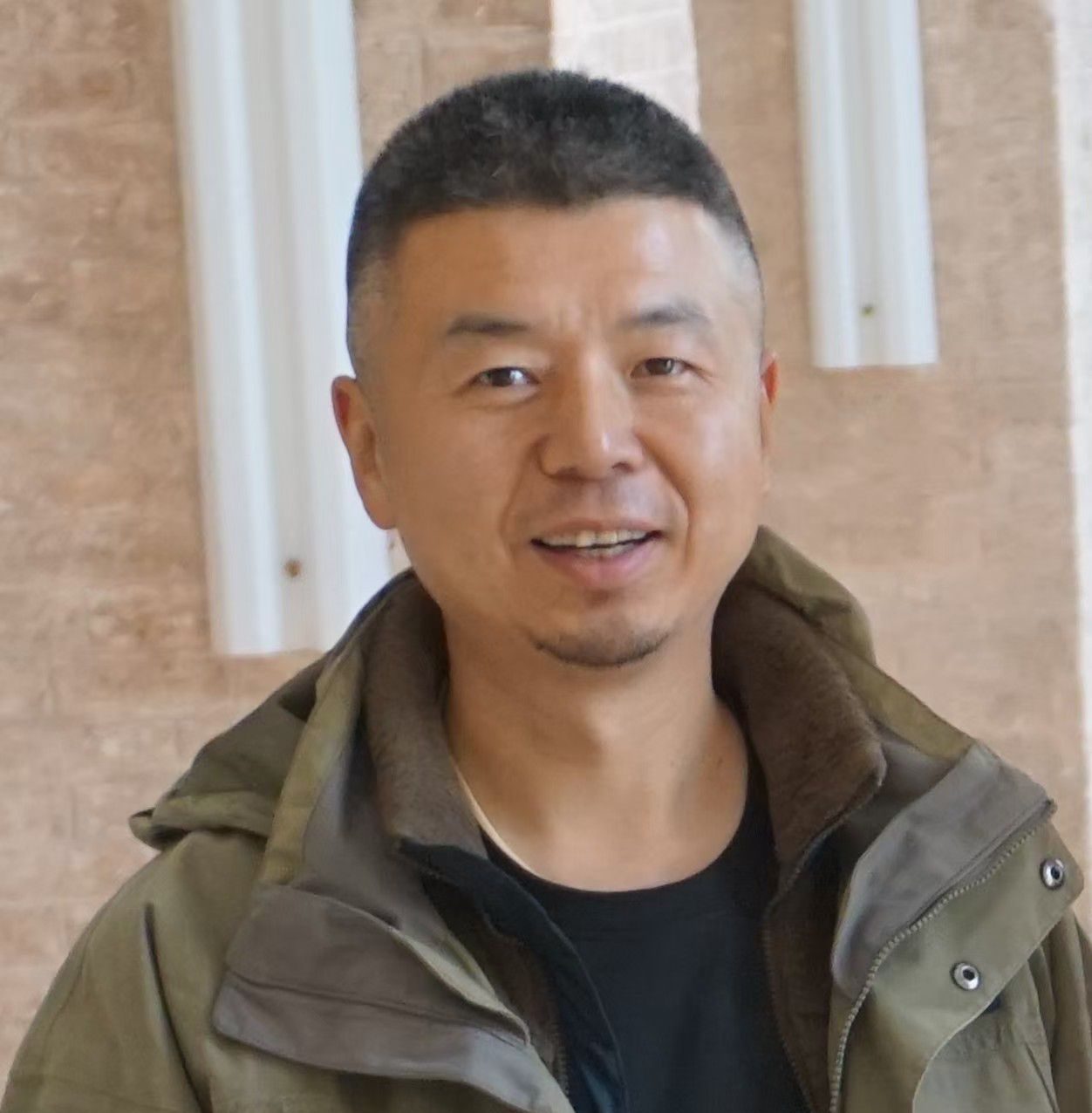
Dr. LEI Yong (Moderator)
Research Fellow and Director of Department of Conservation Science and Research, The Palace Museum (Beijing)
Dr. Lei Yong is the Director and Research Fellow at The Palace Museum’s Department of Conservation Science and the Head of Key Laboratory of Conservation for Painting and Calligraphy, overseen by the Ministry of Culture and Tourism. Since joining The Palace Museum in 2004, he has been engaged mainly in the scientific analysis and research on coloured paintings, ceramics, lacquerware, organic dyes, and textiles. He is particularly interested in the identification of pigments, dye and polychrome stratigraphy, organic dye identification and fading studies, micro- and nano-scale analysis of ancient materials, and non-invasive analysis of paintings and calligraphy. He has published dozens of papers in domestic and foreign journals and has participated in many international academic conferences. Dr. Lei obtained his B.A. in History from the Northwest University, M.A. in History from Peking University, and Ph.D. in Science from the Institute of High Energy Physics at the Chinese Academy of Sciences. He is also a fellow at the International Institute for Conservation of Historic and Artistic Works (IIC).
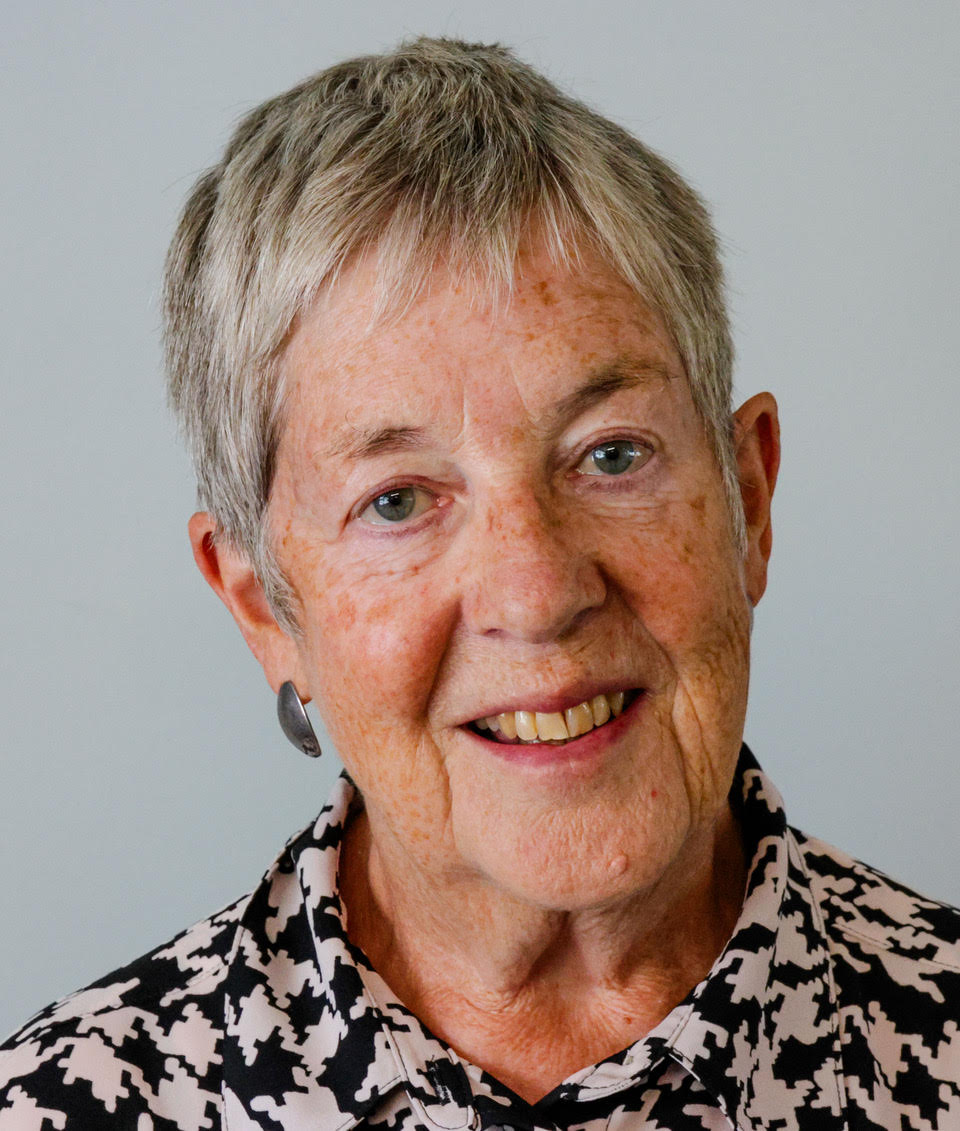
Ms. Rose KERR (Speaker)
Honorary Associate, Needham Research Institute (Cambridge) | Former Keeper, Far Eastern Department, Victoria and Albert Museum (London)
Ms. Rose Kerr is a distinguished British art historian, globally recognised for her research on Chinese art, particularly Chinese ceramics. After studying Chinese studies and art history at the School of Oriental and African Studies (SOAS), University of London, she began her career at the Percival David Foundation before joining the Victoria and Albert Museum (V&A) in 1978. She served as Keeper of the V&A’s Far Eastern Department from 1987 until her retirement in 2003.
Throughout her career, Ms. Kerr has made significant contributions to the study of Chinese ceramics, bronzes, and material culture. She is the author and editor of numerous influential publications, including Song Dynasty Ceramics, Chinese Export Ceramics, and Later Chinese Bronzes, and co-author of Science and Civilisation in China, Vol. 5, Part 12: Ceramic Technology, a landmark reference work on the history of Chinese ceramic production.
Ms. Kerr has held honorary positions with the Needham Research Institute at the University of Cambridge and the University of Glasgow and has served as President of the Oriental Ceramic Society, Trustee of the Percival David Foundation of Chinese Art, and advisor to museums and cultural institutions internationally. She has also undertaken research and teaching appointments across Europe and Asia, including at the Palace Museum in Taipei and the Shanghai Museum.
In recognition of her outstanding scholarship on Jingdezhen ceramics and her contributions to cultural exchange between the United Kingdom and China, Ms. Kerr was named an Honorary Citizen of Jingdezhen in 2015, becoming the first non-Chinese citizen to receive this distinction.
“Writing The Needham Volume on Ceramic Technology“
“Learning Without Thinking Leads to Confusion
Thinking Without Learning is Dangerous”
「學而不思則罔,思而不學則殆」
(Book 2, Verse 15 of The Analects of Confucius (論語·為政)
The talk will cover three points:
Information from many sources: university professors in Britain and China, ceramic scientists, museum curators, conservators, photographers and kiln workers
This enables the transfer of knowledge to a wide readership, both in the present and in the future. A published book also embodies a review of knowledge and cited literature at the date on which it was published. It can be a threshold for further research, including the correction and augmentation of material.
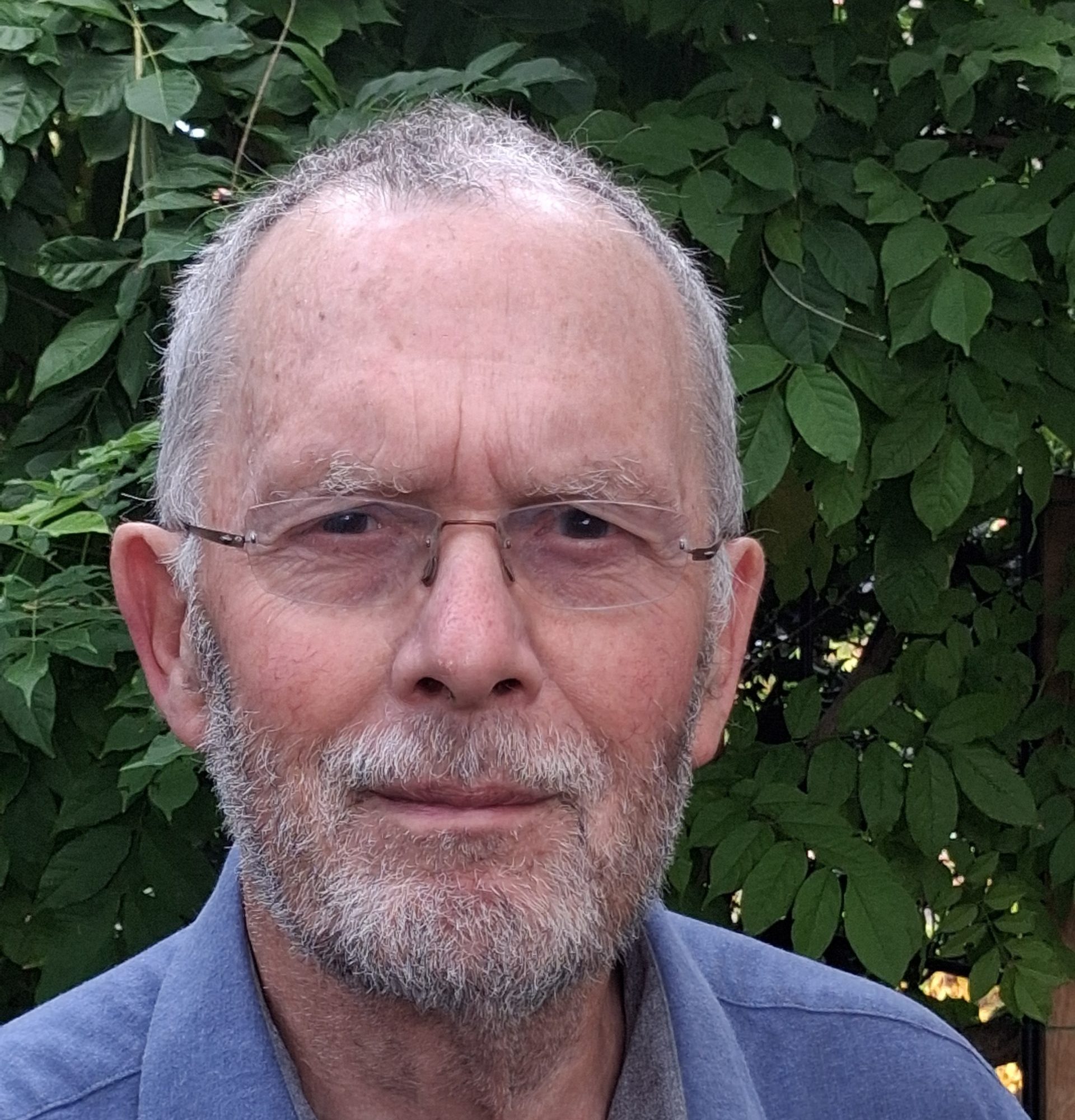
Prof. Nigel WOOD (Speaker)
Honorary Research Associate, School of Archaeology, University of Oxford (Oxford) | Emeritus Professor, University of Westminster (London)
Professor Nigel Wood is an Honorary Research Associate at the School of Archaeology, Oxford University, and an Emeritus Professor to the University of Westminster, London, UK.
He has been active in the study of East Asian ceramics, glass and cast bronze for many years with a particular interest in how the geological history of East Asia influenced the development of its ceramic and bronze-casting traditions. Prof. Wood came to this area of study as an experienced maker of stoneware and porcelain – a background that has proved useful in exploring the practical production of medieval Chinese and Korean ceramics and the technology of early Chinese bronze casting.
His two major books to date have been Chinese Glazes (1999) and Joseph Needham: Science and Civilisation in China, Volume 5 Chemistry and Chemical Technology: Part 12 – Ceramic Technology (Cambridge University Press 2004). The Needham volume was co-written with Ms Rose Kerr, former Keeper of Chinese Art at the Victoria and Albert Museum, London, and has recently been re-published in a Chinese translation (2025). Nigel Wood has also written some 110 papers on the history and technology of East Asian and Middle Eastern ceramics, with his most recent works concerned with the origins of Chinese porcelain, and the significance of the Chinese alligator to the peoples of Neolithic China.
“Writing the Needham Ceramic Technology Volume Contribution“
In this lecture, Prof. Nigel Wood will reflect on the conception, research, and writing of the Ceramic Technology volume in Joseph Needham’s renowned Science and Civilisation in China series. Widely regarded as one of the most ambitious scholarly projects of the twentieth century, the Needham series transformed understanding of China’s contributions to science, technology, and global civilisation. Following Needham’s death in 1995, the challenge of producing a comprehensive study of Chinese ceramic technology fell to a new generation of specialists, bringing together the complementary expertise of Rose Kerr and Nigel Wood.
Drawing on decades of research, museum collaborations, archaeological science, and fieldwork in China, Prof. Wood will describe how the volume was shaped around the life cycle of a ceramic object, from clay selection and forming to glazing, firing, and the transmission of technology across cultures. The lecture examines China’s unparalleled achievements in ceramics, including the development of glazed stoneware and porcelain, and explores how these innovations influenced ceramic traditions throughout Asia, the Middle East, Europe, and beyond.
Combining personal memoir with intellectual history, Prof. Wood will discuss the challenges of synthesising vast bodies of archaeological, scientific, and historical evidence, while reflecting on the value and limitations of large-scale scholarship. He will also consider how new discoveries continue to reshape the field and how future generations of researchers, particularly in China, are building on the foundations established by the Needham project.
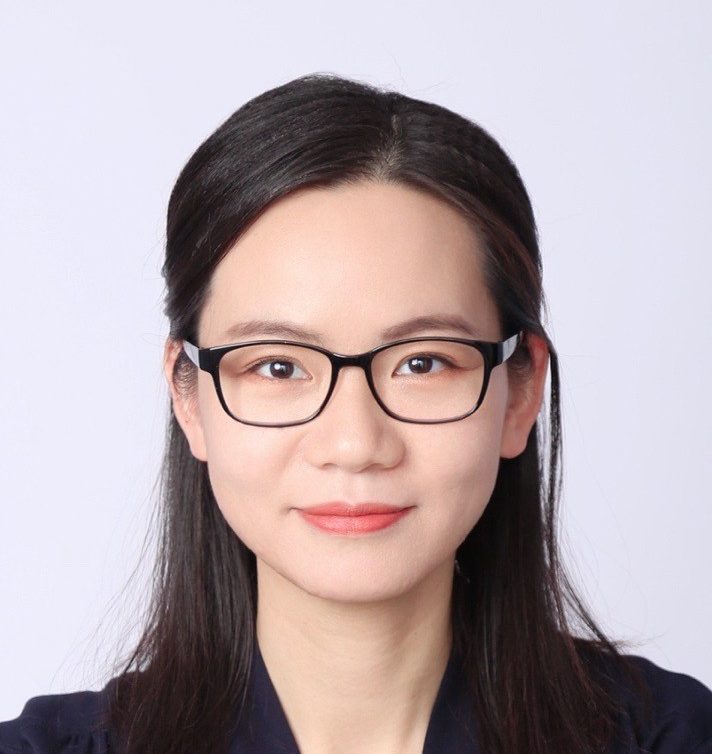
Prof. KE Xiaoxing (Speaker)
Professor, College of Materials Science and Engineering, Beijing University of Technology (Beijing)
Professor KE Xiaoxing is a professor at Beijing University of Technology, a Beijing Municipal High-Level Overseas Talent, a Beijing Nova Program awardee, and a Young Teaching Excellence Award winner at Beijing University of Technology. Her research primarily focuses on transmission electron microscopy (TEM) studies of material microstructures, with a particular emphasis on fundamental research in material surface and interface characterization. Utilizing aberration-corrected TEM, in situ analysis techniques, and 3D electron tomography to unravel the relationships between atomic-scale structures, three-dimensional architectures, and properties at nanomaterial surfaces and interfaces. She has published over 100 papers in journals including Nature Communications, Advanced Materials, and Advanced Functional Materials.
“Microstructure of ε-Fe₂O₃: An Accidental Discovery in Ancient Chinese Glazes”
ε-Fe₂O₃ is a metastable polymorph of iron oxide that is thermodynamically unstable and remains difficult to synthesize in pure form even in modern laboratories. Yet it was “accidentally” produced in ancient Chinese ceramic glazes over a thousand years ago, where crystals can reach micrometer to sub-millimeter sizes. This contrast makes ancient glazes a unique window for studying the microstructure of this phase.
This talk approaches the topic from a microstructural perspective, following three lines of inquiry: first, the intrinsic crystal structure of ε-Fe₂O₃ and the structural origins of its instability; second, the characteristic dendritic fractal morphology in ancient glazes and its structural color effects; third, the epitaxial interfacial relationships between ε-Fe₂O₃ and other crystal phases towards the discussion of its formation process. The talk concludes by discussing how ancient glaze serves as a natural growth experiment encapsulated within a glass matrix, and what its microstructural evidence implies for the controlled synthesis of modern ε-Fe₂O₃ materials.
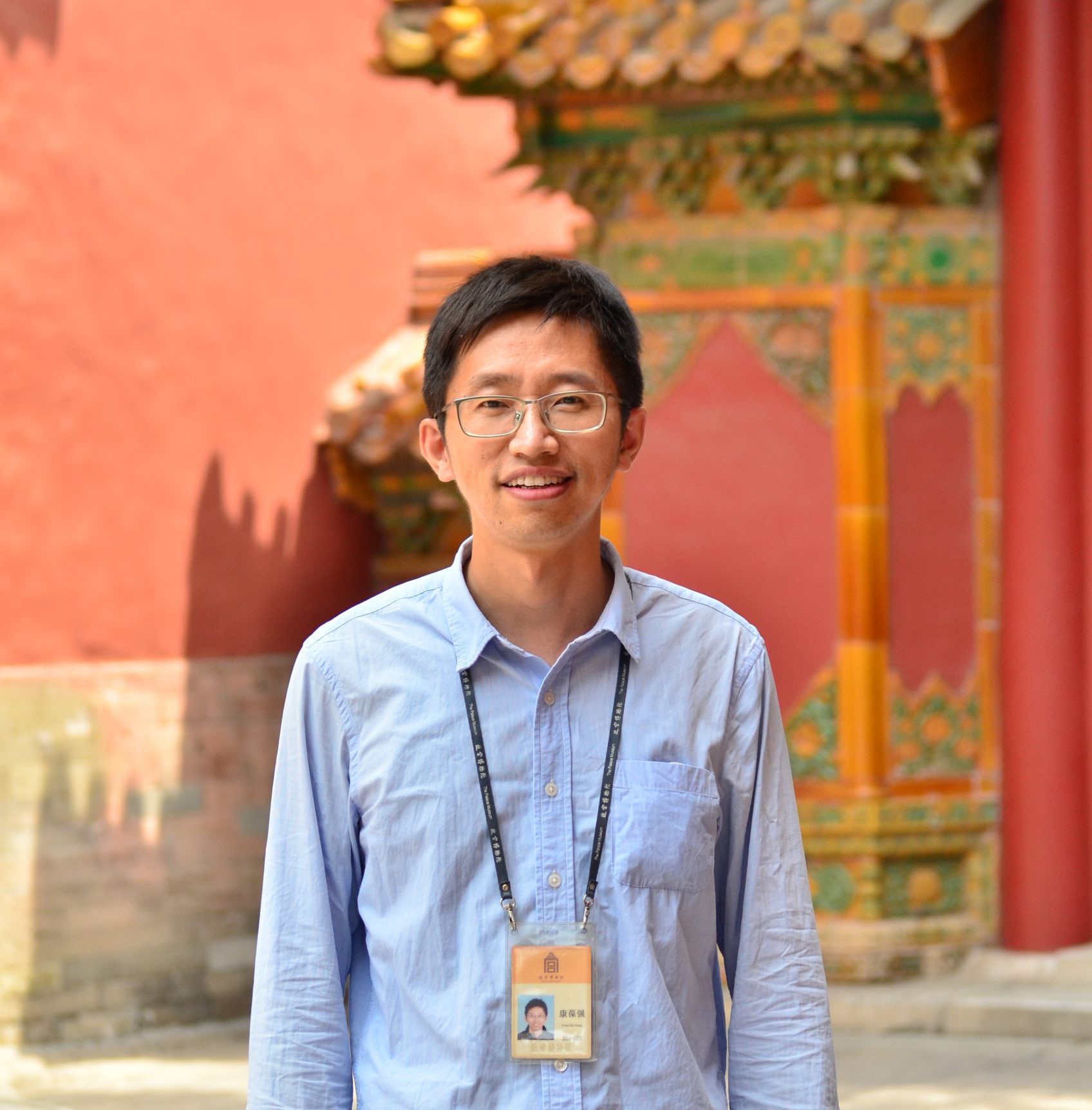
Mr. KANG Baoqiang (Speaker)
Research Fellow, Department of Conservation Science and Research, The Palace Museum (Beijing)
Mr. KANG Baoqiang is a Research Fellow in the Department of Conservation Science and Research at The Palace Museum and the Executive Deputy Director of the Key Scientific Research Base of Ancient Ceramics (The Palace Museum), State Administration of Cultural Heritage. He has long been engaged in scientific and technological research on ancient ceramics.
In recent years, Mr. Kang’s research has focused on the scientific investigation of architectural glazed ceramics, porcelains from the Five Great Kilns in China, black-glazed wares, and Ming and Qing dynasty porcelains from Jingdezhen, examining their manufacturing technology, provenance, and chronology. He has led and completed major research projects including a task under the National Key Research and Development Program during China’s Thirteenth Five-Year Plan, Research on Value Recognition and Key Technologies for Movable Cultural Heritage (Inorganic Materials); Research on Value Recognition and Key Technologies for Ceramic Cultural Heritage; Quantitative Analysis of Ancient Ceramic Phases Using Whole-Pattern X-ray Diffraction Refinement, a project of the National Cultural Heritage Administration’s Key Scientific Research Base; and a Palace Museum project, Research on the Dating and Provenance of Architectural Glazed Ceramics Excavated from Archaeological Sites within the Palace Museum.
Mr. Kang is currently participating in projects under the National Key Research and Development Program of China’s Fourteenth Five-Year Plan, including Research on the Technological Genealogy of Ancient Chinese Ceramic Firing Techniques and Multi-source Information Extraction and Product Indicator Systems for Ancient Chinese Ceramic Kiln Sites. Mr. Kang’s principal research interests include the technology and dissemination of low-temperature glazed ceramics, the origins of northern white porcelain, and the application of X-ray diffraction techniques in cultural heritage studies. To date, he has published more than twenty scholarly articles in journals such as Journal of Gugong Studies and Journal of National Museum of China.
“Advances in the Scientific Study of Song Dynasty Ceramics “
During the Twelfth (2011-2015) and Thirteenth (2016-2020) Five-Year Plan periods, the Key Scientific Research Base for Ancient Ceramic Conservation and Research at the Palace Museum conducted extensive scientific investigations of ceramics from the major Song dynasty kiln traditions, namely Ru, Guan, Jun, Ding, and Longquan. Significant progress has been made in understanding the glaze composition of Ru and Guan celadons, establishing the provenance of Southern Song Guan ware, elucidating the colour-forming mechanisms of Jun glazes, identifying the raw materials used in Ding white porcelain production, and tracing the technological development of Longquan celadon. Drawing on these recent findings, Mr. Kang Baoqiang will present an overview of the latest advances in the scientific study of Song dynasty ceramics.